
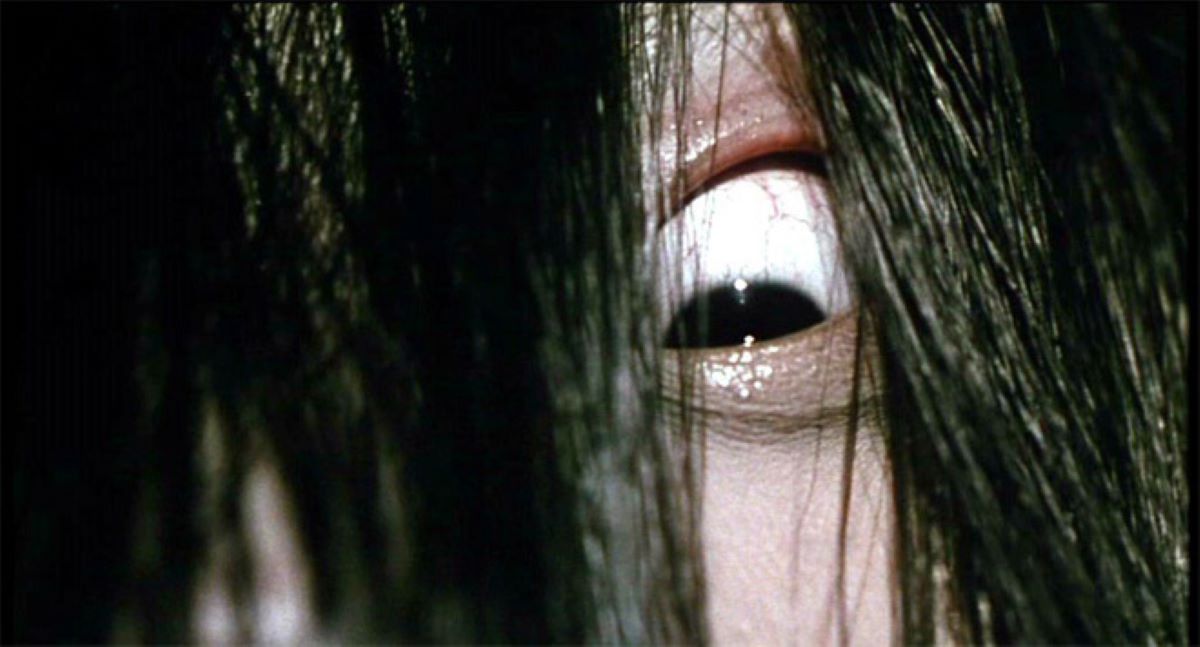
If you’re like me, you might remember fondly the period when discovering Japanese horror titles felt like discovering an entirely different version of the genre, and I am also sure you will also remember getting into Ring and Ju-On: The Grudge and then immediately wanting to find out what else was coming from Japan.
Not every movie was great, obviously, and there were plenty of films that I watched because somebody had recommended them only to wonder afterwards what I’d actually been expecting, but that almost made the whole thing more enjoyable too, because you never quite knew what you were going to get, and Japanese horror had developed a reputation for being capable of unsettling you without relying on the same tricks that were dominating American horror.
Looking back now, what I miss isn’t necessarily the specific movies themselves, although there are plenty I still love, but it’s the feeling around them – Japanese horror seemed to have become this enormous discovery for horror fans, and suddenly films that most mainstream audiences had never heard of were being discussed everywhere,and it was before the current streaming landscape made international cinema so easy to access, so finding these movies could feel like genuine detective work.
Ring Changed What A Ghost Story Could Be
Ring remains the obvious film to mention because it was the movie that made the international audience sit up and pay attention to Japanese horror on a much larger scale, and what I remember about it isn’t simply Sadako crawling out of the television, although obviously that image has become one of the most recognisable moments in modern horror, but what impressed me was the way the movie managed to make the entire idea of watching television feel uncomfortable without constantly reminding you that you were watching a horror movie.
The cursed videotape was such a simple idea, but it worked so well simply because it fitted perfectly into the world in which the film was made – VHS tapes were ordinary objects, televisions were ordinary objects and watching a tape was something people did all the time.
The film took those completely mundane things and attached something horrible to them, which meant that the horror followed you outside the movie, which was one of the things Japanese horror did particularly well during this period, because it could take something very familiar to a person and make you reconsider it without necessarily needing an enormous special-effects sequence.
And a lot of movies at that time did not do that, which might surprise younger people reading this.
Ju-On Felt Like A Completely Different Kind Of Nightmare
Then Ju-On: The Grudge arrived and demonstrated that the success of Ring wasn’t just a fluke, and if Ring had a relatively conventional mystery structure underneath its supernatural elements, Ju-On felt much more fragmented and unpredictable.
Kayako become memorable, but not simply because of her appearance though, it was also the fact that the film created a sound and a movement associated with her that you could recognise almost immediately, so once that horrible croaking noise started, you knew something awful was coming, and the movie didn’t need to explain why the sound was frightening because you’d already learned to associate it with the curse.
I also think Ju-On was particularly effective because it didn’t provide the kind of reassuring structure that a lot of mainstream horror audiences were accustomed to – there wasn’t necessarily a satisfying moment where somebody defeated the evil and everything returned to normal, because the curse simply continued, which made the movie feel much more unpleasant to watch overall.
There Was So Much More Than The Big Two Though
The strange thing about remembering the J-horror boom now is that people often reduce it to Ring and Ju-On, perhaps with Dark Water, Pulse and Audition added to the conversation, and those films absolutely deserve their reputations, but there was a much wider Japanese horror scene operating around them, where part of the fun was discovering films that weren’t necessarily going to become international hits.
Dark Water is a good example of what made the period so interesting because it wasn’t really trying to be a conventional scare machine, as the atmosphere was more important, and the film had a miserable, claustrophobic quality that made the supernatural elements feel like part of a much larger sense of dread.
Pulse went somewhere even more unusual by using technology and isolation to create something that was as depressing as it was frightening, while Audition demonstrated that Japanese horror didn’t even need to be supernatural to completely unsettle an audience.
That variety was important because it meant “J-horror” never really described one particular type of movie, it just became a label that covered ghost stories, psychological horror, extreme cinema, urban legends and films that were difficult to classify at all.
I Remember The Discovery More Than Anything Else
I think this is the part that is hardest to explain to somebody who didn’t experience that period, because today, if a Japanese horror film starts getting attention, you can usually find the trailer, reviews, interviews, plot explanations, audience reactions and probably a dozen videos explaining the ending before you’ve even watched the movie., which is incredibly useful, but it does change the experience of discovering something.
Back then, finding an unfamiliar Japanese horror film could involve very little information – you might know the title, recognise an actor or have somebody tell you that it was supposed to be disturbing, and then you’d put it on without having much idea what the film was actually going to do.
Sometimes the recommendation was completely wrong and sometimes it turned out to be one of those movies you remembered for years, but that uncertainty was part of the appeal for me, because I think horror works best when you don’t completely understand what you’re dealing with, and discovering international horror in that way created exactly the right conditions for being surprised.
Hollywood Couldn’t Resist The J-Horror Formula
And of course, once Hollywood realised there was money to be made, the inevitable remakes arrived – The Ring became a major American success, followed by The Grudge, and suddenly the visual language associated with Japanese horror was being used everywhere.
I don’t have a problem with the remakes themselves, and some of them are better than their reputations suggest, and Gore Verbinski’s The Ring in particular understood that simply copying the Japanese movie wouldn’t be enough.
The problem was what happened afterwards, because once the imagery became familiar it stopped having the same effect – audiences knew what the creepy girl was supposed to look like, they knew that a television turning on by itself was probably significant and they knew that the horror was likely to involve some sort of curse.
The original films had benefited from unfamiliarity, and Hollywood inevitably made that unfamiliarity disappear.
The Boom Didn’t Really End, The Attention Just Moved
I also don’t think it is accurate to say that Japanese horror stopped being good after the early 2000s, because there have been plenty of interesting Japanese horror films since then, and filmmakers have continued experimenting with supernatural stories, folklore, found footage, body horror and psychological horror.
What disappeared was the sense that Japanese horror was the next big thing, where horror audiences moved on to other movements and other countries, while Hollywood found different sources of inspiration.
Korean horror in particular became increasingly prominent internationally, followed by a much wider interest in horror from countries including Indonesia, Thailand and India, while streaming also changed the way audiences discovered international cinema, so there wasn’t necessarily going to be another single national movement dominating the conversation in quite the same way – that doesn’t mean Japanese horror became less interesting though, it simply became harder for one country’s horror cinema to feel like an entirely new discovery when audiences suddenly had access to almost everything.
What Made J-Horror Feel Special
When I think about those movies now, I don’t think the secret was that Japanese filmmakers had somehow discovered a superior way of making horror, as they were just working within their own traditions, responding to their own culture and making movies that reflected the fears and anxieties of the time, and international audiences happened to find those ideas incredibly effective.
That is probably why the films still hold up when you go back to them, where the best ones weren’t built entirely around jump scares or whatever visual technique happened to be popular at the time, they were built around ideas that remain uncomfortable, whether that is the fear of something entering your home, the possibility that technology is isolating people rather than connecting them or the idea that some forms of trauma simply refuse to disappear.
The technology in Ring may now seem ancient, but the basic fear behind it hasn’t gone anywhere, and personally, what I remember most fondly about the J-horror boom was the feeling that there was an entire world of horror I hadn’t discovered yet, and every recommendation might lead to something completely unexpected.
More Asian horror articles.






Leave a Reply